General Information About Pancreatic Cancer
Pancreatic cancer is a disease in which malignant (cancer)
cells form in the tissues of the pancreas.
The pancreas is a
gland about 6 inches long that is
shaped like a thin pear lying on its side. The wider end of the pancreas is
called the head, the middle section is called the body, and the narrow end is
called the tail. The pancreas lies behind the stomach and in front of the spine.
|
| Anatomy of the pancreas. The pancreas has three areas: head, body, and tail. It is found in the abdomen near the stomach, intestines, and other organs. |
The pancreas has two main jobs in the body:
- To produce juices
that help digest (break down) food.
- To produce hormones, such as insulin and glucagon, that help control blood sugar
levels. Both of these hormones help the body use and store the energy it gets
from food.
The digestive juices are produced by exocrine pancreas cells and
the hormones are produced by endocrine pancreas cells. About 95% of pancreatic
cancers begin in exocrine
cells.
This summary provides information on exocrine pancreatic cancer.
Refer to the PDQ summary on Islet Cell
Tumors (Endocrine Pancreas) Treatment for information on
endocrine pancreatic cancer.
Smoking and health history can affect the risk of developing
pancreatic cancer.
Anything that increases your risk of getting a disease is called a risk factor. Having a risk factor does not mean that you will get cancer; not having risk factors doesn’t mean that you will not get cancer. People who think they may be at risk should discuss this with their doctor. Risk
factors for pancreatic cancer include the following:
- Smoking.
- Long-standing diabetes.
- Chronic pancreatitis.
- Certain hereditary
conditions, such as hereditary pancreatitis, multiple endocrine neoplasia type 1
syndrome, hereditary nonpolyposis colon
cancer (HNPCC; Lynch syndrome), von
Hippel-Lindau syndrome, ataxia-telangiectasia, and the familial
atypical multiple mole melanoma syndrome (FAMMM).
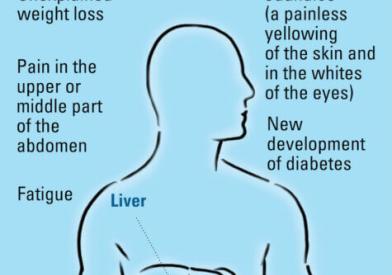
Possible signs of pancreatic cancer include jaundice, pain, and
weight loss.
These and other symptoms may be caused by pancreatic cancer. Other conditions may cause the same symptoms. A doctor should be consulted if any of the following problems
occur:
- Jaundice
(yellowing of the skin and whites of the eyes).
- Pain in the upper or middle abdomen and back.
- Unexplained weight loss.
- Loss of appetite.
- Fatigue.
Pancreatic cancer is difficult to detect (find) and diagnose
early.
Pancreatic cancer is difficult to detect and diagnose for the
following reasons:
- There aren’t any noticeable signs or symptoms in the early
stages of pancreatic
cancer.
- The signs of pancreatic cancer, when present, are like the
signs of many other illnesses.
- The pancreas is hidden behind other organs such as the
stomach, small intestine,
liver, gallbladder, spleen, and bile
ducts.
Tests that examine the pancreas are used to detect (find),
diagnose, and stage pancreatic cancer.
Pancreatic cancer is usually diagnosed with tests and procedures
that produce pictures of the pancreas and the area around it. The process used
to find out if cancercells have spread within and around the pancreas is
called staging. Tests and procedures
to detect, diagnose, and stage pancreatic cancer are usually done at the same
time. In order to plan treatment, it is important to know the stage of
the disease and whether or not the pancreatic cancer can be removed by
surgery. The following tests and
procedures may be used:
- Chest x-ray: An x-ray of the organs and bones inside the chest. An x-ray is a type of energy beam that can go through the body and onto film, making a picture of areas inside the body.
- Physical exam and history: An exam of the body to check general signs of health, including checking for signs of disease, such as lumps or anything else that seems unusual. A history of the patient’s health habits and past illnesses and treatments will also be taken.
- CT scan (CAT
scan): A procedure that makes a series of detailed pictures of areas inside the body, taken from different angles. The pictures are made by a computer linked to an x-ray machine. A dye may be injected into a vein or swallowed to help the organs or tissues show up more clearly. This procedure is also called computed tomography, computerized tomography, or computerized axial tomography. A spiral or helical CT scan makes a series of very detailed pictures of areas inside the body using an x-ray machine that scans the body in a spiral path.
- MRI (magnetic
resonance imaging): A procedure that uses a magnet, radio waves, and a computer to make a series of detailed pictures of areas inside the body. This procedure is also called nuclear magnetic resonance imaging (NMRI).
- PET scan (positron
emission tomography scan): A procedure to find malignanttumor cells in the body. A small amount of radionuclide glucose (sugar) is injected into a vein. The PET scanner rotates around the body and makes a picture of where glucose is being used in the body. Malignant tumor cells show up brighter in the picture because they are more active and take up more glucose than normal cells do.
- Endoscopic
ultrasound (EUS): A procedure in which an endoscope is inserted into the body, usually through the mouth or rectum. An endoscope is a thin, tube-like instrument with a light and a lens for viewing. A probe at the end of the endoscope is used to bounce high-energy sound waves (ultrasound) off internal tissues or organs and make echoes. The echoes form a picture of body tissues called a sonogram. This procedure is also called endosonography.
- Laparoscopy: A surgical procedure to look at the organs inside the abdomen to check for signs of disease. Small incisions (cuts) are made in the wall of the abdomen and a laparoscope (a thin, lighted tube) is inserted into one of the incisions. Other instruments may be inserted through the same or other incisions to perform procedures such as removing organs or taking tissue samples for biopsy.
- Endoscopic
retrograde cholangiopancreatography (ERCP): A procedure used to x-ray the ducts (tubes) that carry bile from the liver to the gallbladder and from the gallbladder to the small intestine. Sometimes pancreatic cancer causes these ducts to narrow and block or slow the flow of bile, causing jaundice. An endoscope (a thin, lighted tube) is passed through the mouth, esophagus, and stomach into the first part of the small intestine. A catheter (a smaller tube) is then inserted through the endoscope into the pancreatic ducts. A dye is injected through the catheter into the ducts and an x-ray is taken. If the ducts are blocked by a tumor, a fine tube may be inserted into the duct to unblock it. This tube (or stent) may be left in place to keep the duct open. Tissue samples may also be taken.
- Percutaneous
transhepatic cholangiography (PTC): A procedure used to x-ray the liver and bile ducts. A thin needle is inserted through the skin below the ribs and into the liver. Dye is injected into the liver or bile ducts and an x-ray is taken. If a blockage is found, a thin, flexible tube called a stent is sometimes left in the liver to drain bile into the small intestine or a collection bag outside the body. This test is done only if ERCP cannot be
done.
- Biopsy: The removal of cells or tissues so they can be viewed under a microscope by a pathologist to check for signs of cancer. There are several ways to do a biopsy for pancreatic cancer.
A fine needle may be inserted into the pancreas during an x-ray or
ultrasound to remove cells. Tissue
may also be removed during a laparoscopy (a surgical incision made in the wall
of the abdomen).
Certain factors affect prognosis (chance
of recovery) and treatment options.
The prognosis (chance of recovery) and treatment options depend on the following:
- Whether or not the tumor can be removed by surgery.
- The stage
of the cancer (the size of the tumor and whether the cancer has spread outside
the pancreas to nearby tissues or lymph
nodes or to other places in the body).
- The patient’s general
health.
- Whether the cancer has just been diagnosed or has recurred (come back).
Pancreatic cancer can be controlled only if it is found before it
has spread, when it can be removed by surgery. If the cancer has spread,
palliative treatment can improve the patient's
quality of life by controlling the
symptoms and complications of this disease.
Top
Stages of Pancreatic Cancer
Tests and procedures to stage pancreatic cancer are usually
done at the same time as diagnosis.
There are three ways that cancer spreads in the body.
The three ways that cancer spreads in the body are:
- Through tissue. Cancer invades the surrounding normal tissue.
- Through the lymph system. Cancer invades the lymph system and travels through the lymph vessels to other places in the body.
- Through the blood. Cancer invades the veins and capillaries and travels through the blood to other places in the body.
When cancer cells break away from the primary (original) tumor and travel through the lymph or blood to other places in the body, another (secondary) tumor may form. This process is called metastasis. The secondary (metastatic) tumor is the same type of cancer as the primary tumor. For example, if breast cancer spreads to the bones, the cancer cells in the bones are actually breast cancer cells. The disease is metastatic breast cancer, not bone cancer.
The following stages are used for pancreatic
cancer:
Stage 0 (Carcinoma in Situ)
In stage 0, abnormalcells are found in the lining of the pancreas. These abnormal cells may become cancer and spread into nearby normal tissue. Stage 0 is also called carcinoma in situ.
|
| Pea, peanut, walnut, and lime show tumor sizes. |
Stage I
In stage I, cancer has formed and is
found in the pancreas only. Stage I is divided into
stage IA and
stage IB, based on the size of the tumor.
- Stage IA: The tumor is 2 centimeters or smaller.
- Stage IB: The tumor is larger than 2 centimeters.
Stage II
In stage II, cancer
may have spread to nearby tissue and
organs, and may have spread to lymph nodes near the
pancreas. Stage II is divided into
stage IIA and
stage IIB, based on where the
cancer has spread.
- Stage IIA: Cancer has spread to nearby tissue and organs but has not spread to nearby lymph nodes.
- Stage IIB: Cancer has spread to nearby lymph nodes and may have spread to nearby tissue and organs.
Stage III
In stage III, cancer
has spread to the major blood vessels near the pancreas and may have spread to nearby lymph nodes.
Stage IV
In stage IV, cancer
may be of any size and has spread to distant organs, such as the liver, lung, and peritoneal cavity. It may have also spread to organs and tissues near the pancreas or to
lymph nodes.
Top
Recurrent Pancreatic Cancer
Recurrentpancreatic
cancer is cancer that has recurred
(come back) after it has been treated. The cancer may come
back in the pancreas or in other
parts of the body.
Top
Treatment Option Overview
There are different types of treatment for patients with
pancreatic cancer.
Different types of treatment are available for patients with
pancreatic cancer. Some treatments are
standard (the currently used treatment), and some are being tested in
clinical trials. A
treatment clinical trial is a research study meant to help improve current
treatments or obtain information on new treatments for patients with cancer.
When clinical trials show that a new treatment is better than the
standard treatment, the new
treatment may become the standard treatment. Patients may want to think about taking part in a clinical trial. Some clinical trials are open only to patients who have not started treatment.
Three types of standard treatment are used:
Surgery
One of the following types of surgery may be used to take out the
tumor:
- Whipple
procedure: A surgical procedure in which the head of the pancreas, the gallbladder, part of the stomach, part of the small intestine, and the bile duct are removed. Enough of the pancreas is left to produce digestivejuices and insulin.
- Total
pancreatectomy: This operation removes the whole pancreas, part
of the stomach, part of the small
intestine, the common bile
duct, the gallbladder, the spleen, and nearby lymph nodes.
- Distal pancreatectomy: The body and the tail of the
pancreas and usually the spleen are removed.
If the cancer has spread and cannot be removed, the following
types of palliative surgery may be
done to relieve symptoms:
- Surgical biliarybypass: If cancer is blocking the small intestine
and bile is building up in the
gallbladder, a biliary bypass may be done. During this operation, the doctor
will cut the gallbladder or bile duct and sew it to the small intestine to
create a new pathway around the blocked area.
- Endoscopic stent placement: If the tumor is blocking the
bile duct, surgery may be done to put in a stent (a thin tube) to drain bile
that has built up in the area. The doctor may place the stent through a
catheter that drains to the outside
of the body or the stent may go around the blocked area and drain the bile into
the small intestine.
- Gastric bypass:
If the tumor is blocking the flow of food from the stomach, the stomach may be
sewn directly to the small intestine so the patient can continue to eat
normally.
Radiation therapy
Radiation
therapy is a cancer treatment that uses high-energy x-rays or other types of radiation to kill cancer cells or keep them from growing. There are two types of radiation therapy. External radiation therapy uses a machine outside the body to send radiation toward the cancer. Internal radiation therapy uses a radioactive substance sealed in needles, seeds, wires, or catheters that are placed directly into or near the cancer. The way the radiation therapy is given depends on the type and stage of the cancer being treated.
Chemotherapy
Chemotherapy is a cancer treatment that uses drugs to stop the growth of cancer cells, either by killing the cells or by stopping them from dividing. When chemotherapy is taken by mouth or injected into a vein or muscle, the drugs enter the bloodstream and can reach cancer cells throughout the body (systemic chemotherapy). When chemotherapy is placed directly into the spinal column, an organ, or a body cavity such as the abdomen, the drugs mainly affect cancer cells in those areas (regional chemotherapy). The way the chemotherapy is given depends on the type and stage of the cancer being treated.
There are treatments for pain caused by pancreatic
cancer.
Pain can occur when the tumor presses on nerves or other organs
near the pancreas. When pain medicine is not enough, there are treatments that
act on nerves in the abdomen to
relieve the pain. The doctor may inject medicine into the area around affected
nerves or may cut the nerves to block the feeling of pain. Radiation therapy
with or without chemotherapy can also help relieve pain by shrinking the tumor.
Patients with pancreatic cancer have special nutritional
needs.
Surgery to remove the pancreas may interfere with the production of
pancreatic enzymes that help to
digest food. As a result, patients may have problems digesting food and
absorbing nutrients into the body. To prevent malnutrition, the doctor may prescribe medicines
that replace these enzymes.
New types of treatment are being tested in clinical trials.
This summary section describes treatments that are being studied in clinical trials. It may not mention every new treatment being studied. Information about clinical trials is available from the NCI Web
site.
Biologic therapy
Biologic therapy is a treatment that uses the patient’s immune system to fight cancer. Substances made by the body or made in a laboratory are used to boost, direct, or restore the body’s natural defenses against cancer. This type of cancer treatment is also called biotherapy or immunotherapy.
Patients may want to think about taking part in a clinical trial.
For some patients, taking part in a clinical trial may be the best treatment choice. Clinical trials are part of the cancer research process. Clinical trials are done to find out if new cancer treatments are safe and effective or better than the standard treatment.
Many of today's standard treatments for cancer are based on earlier clinical trials. Patients who take part in a clinical trial may receive the standard treatment or be among the first to receive a new treatment.
Patients who take part in clinical trials also help improve the way cancer will be treated in the future. Even when clinical trials do not lead to effective new treatments, they often answer important questions and help move research forward.
Patients can enter clinical trials before, during, or after starting their cancer treatment.
Some clinical trials only include patients who have not yet received treatment. Other trials test treatments for patients whose cancer has not gotten better. There are also clinical trials that test new ways to stop cancer from recurring (coming back) or reduce the side effects of cancer treatment.
Clinical trials are taking place in many parts of the country. See the Treatment Options section that follows for links to current treatment clinical trials. These have been retrieved from NCI's clinical trials database.
Follow-up tests may be needed
Some of the tests that were done to diagnose the cancer or to find out the stage of the cancer may be repeated. Some tests will be repeated in order to see how well the treatment is working. Decisions about whether to continue, change, or stop treatment may be based on the results of these tests. This is sometimes called re-staging.
Some of the tests will continue to be done from time to time after treatment has ended. The results of these tests can show if your condition has changed or if the cancer has recurred (come back). These tests are sometimes called follow-up tests or check-ups.
Top
Treatment Options by Stage
A link to a list of current clinical trials is included for each treatment section. For some types or stages of cancer, there may not be any trials listed. Check with your doctor for clinical trials that are not listed here but may be right for you.
Stages I and II Pancreatic Cancer
Treatment of stage I and stage II pancreatic cancer may include the
following:
- Surgery
alone.
- Surgery with chemotherapy and radiation therapy.
- A clinical trial
of surgery followed by radiation therapy with chemotherapy. Chemotherapy is
given before, during, and after the radiation therapy.
- A clinical trial of surgery followed by chemotherapy.
Check for U.S. clinical trials from NCI's PDQ Cancer Clinical Trials Registry that are now accepting patients with stage I pancreatic cancer and stage II pancreatic cancer. For more specific results, refine the search by using other search features, such as the location of the trial, the type of treatment, or the name of the drug. General information about clinical trials is available from the NCI Web site.
Stage III Pancreatic Cancer
Treatment of stage III pancreatic
cancer may include the following:
- Palliativesurgery or stent placement to bypass blocked areas in ducts
or the small intestine.
- Chemotherapy with gemcitabine.
- A clinical trial of new anticancer therapies together with chemotherapy or chemoradiation.
- A clinical trial of radiation therapy given during surgery or
internal radiation therapy.
Check for U.S. clinical trials from NCI's PDQ Cancer Clinical Trials Registry that are now accepting patients with stage III pancreatic cancer. For more specific results, refine the search by using other search features, such as the location of the trial, the type of treatment, or the name of the drug. General information about clinical trials is available from the NCI Web site.
Stage IV Pancreatic Cancer
Treatment of stage IV pancreatic
cancer may include the following:
- Chemotherapy with gemcitabine with or without erlotinib.
- Palliative treatments for pain, such as nerve blocks, and
other supportive care.
- Palliative surgery or stent placement to bypass blocked areas
in ducts or the small intestine.
- Clinical trials of new anticancer agents with or without chemotherapy.
Check for U.S. clinical trials from NCI's PDQ Cancer Clinical Trials Registry that are now accepting patients with stage IV pancreatic cancer. For more specific results, refine the search by using other search features, such as the location of the trial, the type of treatment, or the name of the drug. General information about clinical trials is available from the NCI Web site.
Top
Treatment Options for Recurrent Pancreatic Cancer
Treatment of recurrentpancreatic cancer may include the
following:
- Chemotherapy.
- Palliativesurgery
or stent placement to bypass blocked areas in
ducts or the
small intestine.
- Palliative radiation
therapy.
- Other palliative medical care to reduce
symptoms, such as nerve blocks to
relieve pain.
- Clinical trials of
chemotherapy, new anticancer therapies, or biologic therapy.
Check for U.S. clinical trials from NCI's PDQ Cancer Clinical Trials Registry that are now accepting patients with recurrent pancreatic cancer. For more specific results, refine the search by using other search features, such as the location of the trial, the type of treatment, or the name of the drug. General information about clinical trials is available from the NCI Web site.
Top
To Learn More About Pancreatic Cancer
For more information from the National Cancer Institute about pancreatic cancer, see the following:
For general cancer information and other resources from the National Cancer Institute, see the following:
Top
This information is provided by the National Cancer Institute.
This information was last updated on May 27, 2009.
Purpose of This PDQ Summary
This PDQ cancer information summary for health professionals provides comprehensive, peer-reviewed, evidence-based information about the treatment of pancreatic cancer. This summary is reviewed regularly and updated as necessary by the PDQ Adult Treatment Editorial Board.
Information about the following is included in this summary:
- Epidemiology and diagnosis.
- Cellular classification.
- Staging.
- Treatment options by cancer stage.
This summary is intended as a resource to inform and assist clinicians who care for cancer patients. It does not provide formal guidelines or recommendations for making health care decisions.
Some of the reference citations in the summary are accompanied by a level-of-evidence designation. These designations are intended to help readers assess the strength of the evidence supporting the use of specific interventions or approaches. The PDQ Adult Treatment Editorial Board uses a formal evidence ranking system in developing its level-of-evidence designations. Based on the strength of the available evidence, treatment options are described as either “standard” or “under clinical evaluation.” These classifications should not be used as a basis for reimbursement determinations.
This summary is also available in a patient version, written in less technical language, and in Spanish.
Top
General Information
Note: Information on pancreatic cancer in children is available in the PDQ summary on Unusual Cancers of Childhood.
Note: Estimated new cases and deaths from pancreatic cancer in the United States in 2009:[1]
- New cases: 42,470.
- Deaths: 35,240.
Note: Some citations in the text of this section are followed by a level of
evidence. The PDQ editorial boards use a formal ranking system to help the
reader judge the strength of evidence linked to the reported results of a
therapeutic strategy. (Refer to the PDQ summary on Levels of Evidence for more
information.)
Carcinoma of the pancreas has had a markedly increased incidence during the past
several decades and ranks as the fourth leading cause of cancer death in the
United States. Despite the high mortality rate associated with pancreatic
cancer, its etiology is poorly understood.[2] Cancer of the exocrine pancreas
is rarely curable and has an overall survival (OS) rate of less than 4%.[3] The
highest cure rate occurs if the tumor is truly localized to the pancreas;
however, this stage of the disease accounts for fewer than 20% of cases. For those
patients with localized disease and small cancers (<2 cm) with no
lymph node metastases and no extension beyond the capsule of the pancreas,
complete surgical resection can yield actuarial 5-year survival rates of 18% to
24%.[4][Level of evidence: 3iA] Improvements in imaging technology, including
spiral computed tomographic scans, magnetic resonance imaging scans, positron
emission tomographic scans, endoscopic ultrasound examination, and laparoscopic
staging can aid in the diagnosis and the identification of patients with
disease that is not amenable to resection.[5] In a case series of 228
patients, positive peritoneal cytology had a positive predictive value of 94%,
specificity of 98%, and sensitivity of 25% for determining unresectability.[6]
For patients with advanced cancers, the OS rate of all stages is
less than 1% at 5 years with most patients dying within 1 year.[7][8][9][10]
No tumor-specific markers exist for pancreatic cancer; markers such as
serum CA 19-9 have low specificity. Most patients with pancreatic cancer will
have an elevated CA 19-9 at diagnosis. Following or during definitive therapy,
the increase of CA 19-9 levels may identify patients with progressive tumor
growth.[11][Level of evidence: 3iDiii] The presence of a normal CA
19-9, however, does not preclude recurrence.
Patients with any stage of pancreatic cancer can appropriately be considered
candidates for clinical trials because of the poor response to chemotherapy,
radiation therapy, and surgery as conventionally used. Palliation of
symptoms, however, may be achieved with conventional treatment. Symptoms caused by
pancreatic cancer may depend on the site of the tumor within the pancreas and
the degree of involvement. Palliative surgical or radiologic biliary
decompression, relief of gastric outlet obstruction, and pain control may
improve the quality of life while not affecting OS.[12][13]
Palliative efforts may also be directed to the potentially disabling
psychological events associated with the diagnosis and treatment of pancreatic
cancer.[14]
(Refer to the PDQ summary on Pain for more information.)
Information about ongoing clinical trials is available from the NCI Web site.
References:
American Cancer Society.: Cancer Facts and Figures 2009. Atlanta, Ga: American Cancer Society, 2009. Also available online. Last accessed January 6, 2010.
Silverman DT, Schiffman M, Everhart J, et al.: Diabetes mellitus, other medical conditions and familial history of cancer as risk factors for pancreatic cancer. Br J Cancer 80 (11): 1830-7, 1999.
Greenlee RT, Murray T, Bolden S, et al.: Cancer statistics, 2000. CA Cancer J Clin 50 (1): 7-33, 2000 Jan-Feb.
Yeo CJ, Abrams RA, Grochow LB, et al.: Pancreaticoduodenectomy for pancreatic adenocarcinoma: postoperative adjuvant chemoradiation improves survival. A prospective, single-institution experience. Ann Surg 225 (5): 621-33; discussion 633-6, 1997.
Riker A, Libutti SK, Bartlett DL: Advances in the early detection, diagnosis, and staging of pancreatic cancer. Surg Oncol 6 (3): 157-69, 1997.
Merchant NB, Conlon KC, Saigo P, et al.: Positive peritoneal cytology predicts unresectability of pancreatic adenocarcinoma. J Am Coll Surg 188 (4): 421-6, 1999.
Lillemoe KD: Current management of pancreatic carcinoma. Ann Surg 221 (2): 133-48, 1995.
Yeo CJ: Pancreatic cancer: 1998 update. J Am Coll Surg 187 (4): 429-42, 1998.
Nitecki SS, Sarr MG, Colby TV, et al.: Long-term survival after resection for ductal adenocarcinoma of the pancreas. Is it really improving? Ann Surg 221 (1): 59-66, 1995.
Conlon KC, Klimstra DS, Brennan MF: Long-term survival after curative resection for pancreatic ductal adenocarcinoma. Clinicopathologic analysis of 5-year survivors. Ann Surg 223 (3): 273-9, 1996.
Willett CG, Daly WJ, Warshaw AL: CA 19-9 is an index of response to neoadjunctive chemoradiation therapy in pancreatic cancer. Am J Surg 172 (4): 350-2, 1996.
Sohn TA, Lillemoe KD, Cameron JL, et al.: Surgical palliation of unresectable periampullary adenocarcinoma in the 1990s. J Am Coll Surg 188 (6): 658-66; discussion 666-9, 1999.
Baron TH: Expandable metal stents for the treatment of cancerous obstruction of the gastrointestinal tract. N Engl J Med 344 (22): 1681-7, 2001.
Passik SD, Breitbart WS: Depression in patients with pancreatic carcinoma. Diagnostic and treatment issues. Cancer 78 (3 Suppl): 615-26, 1996.
Top
Cellular Classification
Pancreatic cancer includes the following carcinomas:
Malignant
- Duct cell carcinoma (90% of all cases).
- Acinar cell carcinoma.
- Papillary mucinous carcinoma.
- Signet ring carcinoma.
- Adenosquamous carcinoma.
- Undifferentiated carcinoma.
- Mucinous carcinoma.
- Giant cell carcinoma.
- Mixed type (ductal-endocrine or acinar-endocrine).
- Small cell carcinoma.
- Cystadenocarcinoma (serous and mucinous types).
- Unclassified.
- Pancreatoblastoma.
- Papillary-cystic neoplasm (Frantz tumor). (This tumor has lower malignant potential and
may be cured with surgery alone.)[1][2]
- Invasive adenocarcinoma associated with cystic mucinous neoplasm or intraductal papillary mucinous neoplasm.
Borderline Malignancies
- Mucinous cystic tumor with dysplasia.
- Intraductal papillary mucinous tumor with dysplasia.[3]
- Pseudopapillary solid tumor.
References:
Sanchez JA, Newman KD, Eichelberger MR, et al.: The papillary-cystic neoplasm of the pancreas. An increasingly recognized clinicopathologic entity. Arch Surg 125 (11): 1502-5, 1990.
Warshaw AL, Compton CC, Lewandrowski K, et al.: Cystic tumors of the pancreas. New clinical, radiologic, and pathologic observations in 67 patients. Ann Surg 212 (4): 432-43; discussion 444-5, 1990.
Sohn TA, Yeo CJ, Cameron JL, et al.: Intraductal papillary mucinous neoplasms of the pancreas: an increasingly recognized clinicopathologic entity. Ann Surg 234 (3): 313-21; discussion 321-2, 2001.
Top
Stage Information
The staging system for pancreatic exocrine cancer continues to evolve. The
importance of staging beyond that of resectable and unresectable is
uncertain since state-of-the-art treatment has demonstrated little impact on
survival. To communicate a uniform definition of disease,
however, knowledge of the extent of the disease is necessary. Cancers of the pancreas
are commonly identified by the site of involvement within the pancreas.
Surgical approaches differ for masses in the head, body, tail, or uncinate
process of the pancreas.
The American Joint Committee on Cancer (AJCC) has designated staging by TNM
classification.[1]
TNM Definitions
Primary tumor (T)
- TX: Primary tumor cannot be assessed
- T0: No evidence of primary tumor
- Tis: Carcinoma in situ
- T1: Tumor is limited to the pancreas and is 2 cm or less in greatest dimension
- T2: Tumor is limited to the pancreas and is more than 2 cm in greatest dimension
- T3: Tumor extends beyond the pancreas but without involvement of the celiac axis or the superior mesenteric artery
- T4: Tumor involves the celiac axis or the superior mesenteric artery (unresectable primary tumor)
Regional lymph nodes (N)
- NX: Regional lymph nodes cannot be assessed
- N0: No regional lymph node metastasis
- N1: Regional lymph node metastasis
Distant metastasis (M)
- MX: Distant metastasis cannot be assessed
- M0: No distant metastasis
- M1: Distant metastasis
AJCC Stage Groupings
Stage 0
Stage IA
Stage IB
Stage IIA
Stage IIB
- T1, N1, M0
- T2, N1, M0
- T3, N1, M0
Stage III
Stage IV
References:
Exocrine pancreas. In: American Joint Committee on Cancer.: AJCC Cancer Staging Manual. 6th ed. New York, NY: Springer, 2002, pp 157-164.
Top
Treatment Option Overview
Note: Some citations in the text of this section are followed by a level of
evidence. The PDQ editorial boards use a formal ranking system to help the
reader judge the strength of evidence linked to the reported results of a
therapeutic strategy. (Refer to the PDQ summary on Levels of Evidence for more
information.)
The survival rate of patients with any stage of pancreatic exocrine cancer is
poor. Clinical trials are appropriate alternatives for treatment of patients
with any stage of disease and should be considered prior to selecting
palliative approaches. To provide optimal palliation, determination of
resectability must be made. Staging studies for resectability include helical
computed tomographic scan, magnetic resonance imaging scan, and endoscopic
ultrasound. The introduction of minimally invasive techniques, such as
laparoscopy and laparoscopic ultrasound, may decrease the use of
laparotomy.[1][2] Surgical resection remains the primary modality when feasible
since, on occasion, resection can lead to long-term survival and provides
effective palliation.[3][4][5][Level of evidence: 3iA] The role of postoperative therapy (chemotherapy with or without chemoradiation therapy) in the management of this disease remains controversial because much of the randomized clinical trial data available are statistically underpowered and provide conflicting results.[6][7][8][9][10] Frequently, malabsorption
caused by exocrine insufficiency contributes to malnutrition. Attention to
pancreatic enzyme replacement can help alleviate this problem. (Refer to the
PDQ summary on Nutrition in Cancer Care for more information.) Celiac axis (and intrapleural)
nerve blocks can provide highly effective and long-lasting control of pain for
some patients.
(Refer to the PDQ summary on Pain for more information.)
Information about ongoing clinical trials is available from the NCI Web site.
References:
John TG, Greig JD, Carter DC, et al.: Carcinoma of the pancreatic head and periampullary region. Tumor staging with laparoscopy and laparoscopic ultrasonography. Ann Surg 221 (2): 156-64, 1995.
Minnard EA, Conlon KC, Hoos A, et al.: Laparoscopic ultrasound enhances standard laparoscopy in the staging of pancreatic cancer. Ann Surg 228 (2): 182-7, 1998.
Yeo CJ, Cameron JL, Lillemoe KD, et al.: Pancreaticoduodenectomy for cancer of the head of the pancreas. 201 patients. Ann Surg 221 (6): 721-31; discussion 731-3, 1995.
Conlon KC, Klimstra DS, Brennan MF: Long-term survival after curative resection for pancreatic ductal adenocarcinoma. Clinicopathologic analysis of 5-year survivors. Ann Surg 223 (3): 273-9, 1996.
Yeo CJ, Abrams RA, Grochow LB, et al.: Pancreaticoduodenectomy for pancreatic adenocarcinoma: postoperative adjuvant chemoradiation improves survival. A prospective, single-institution experience. Ann Surg 225 (5): 621-33; discussion 633-6, 1997.
Further evidence of effective adjuvant combined radiation and chemotherapy following curative resection of pancreatic cancer. Gastrointestinal Tumor Study Group. Cancer 59 (12): 2006-10, 1987.
Kalser MH, Ellenberg SS: Pancreatic cancer. Adjuvant combined radiation and chemotherapy following curative resection. Arch Surg 120 (8): 899-903, 1985.
Klinkenbijl JH, Jeekel J, Sahmoud T, et al.: Adjuvant radiotherapy and 5-fluorouracil after curative resection of cancer of the pancreas and periampullary region: phase III trial of the EORTC gastrointestinal tract cancer cooperative group. Ann Surg 230 (6): 776-82; discussion 782-4, 1999.
Neoptolemos JP, Dunn JA, Stocken DD, et al.: Adjuvant chemoradiotherapy and chemotherapy in resectable pancreatic cancer: a randomised controlled trial. Lancet 358 (9293): 1576-85, 2001.
Neoptolemos JP, Stocken DD, Friess H, et al.: A randomized trial of chemoradiotherapy and chemotherapy after resection of pancreatic cancer. N Engl J Med 350 (12): 1200-10, 2004.
Top
Stage I and II Pancreatic Cancer
Note: Some citations in the text of this section are followed by a level of
evidence. The PDQ editorial boards use a formal ranking system to help the
reader judge the strength of evidence linked to the reported results of a
therapeutic strategy. (Refer to the PDQ summary on Levels of Evidence for more
information.)
Approximately 20% of patients present with pancreatic cancer amenable to local
surgical resection, with operative mortality rates of approximately 1% to
16%.[1][2][3][4][5] Using information from the Medicare claims database, a national
cohort study of more than 7,000 patients undergoing pancreaticoduodenectomy between
1992 and 1995 revealed higher in-hospital mortality rates at low-volume
hospitals (<1 pancreaticoduodenectomy per year) versus high-volume hospitals
(>5 per year) (16% vs. 4%, respectively, P < .01).[1] Complete resection can
yield 5-year survival rates of 18% to 24%, but ultimate control remains poor
because of the high incidence of both local and distant tumor
recurrence.[6][7][8][Level of evidence: 3iA] The role of postoperative therapy (chemotherapy with or without chemoradiation therapy [CRT]) in the management of this disease remains controversial because much of the randomized
clinical trial data available are statistically underpowered and provide conflicting results.[9][10][11][12][13]
Three phase III trials examined the potential overall survival (OS) benefit of postoperative adjuvant 5-fluorouracil (5-FU)–based CRT. A small randomized trial conducted by the Gastrointestinal Study Group (GITSG) in 1985 demonstrated a significant but modest improvement in median-term and long-term
survival over resection alone with postoperative bolus 5-FU
and regional split course radiation given at a dose of 40 Gy.[9][Level of
evidence: 1iiA];[10][Level of evidence: 2A] An attempt by the European
Organization for the Research and Treatment of Cancer to reproduce the results
of the GITSG trial failed to confirm a significant benefit for adjuvant
CRT over resection alone;[11][Level of
evidence: 1iiA] however,
this trial treated patients with pancreatic as well as periampullary cancers
(with a potential better prognosis). A subset analysis of the patients with
primary pancreatic tumors indicated a trend towards improved median, 2-year, and
5-year OS with adjuvant therapy compared with surgery alone (17.1 months, 37% and 20% vs. 12.6
months, 23% and 10%, P = .09 for median survival).
An updated analysis of a subsequent European Study for Pancreatic Cancer (ESPAC 1) trial examined only patients who underwent strict randomization following pancreatic resection. The patients were assigned to one of four groups (observation, bolus 5-FU chemotherapy, bolus 5-FU CRT, or CRT followed by additional chemotherapy). With a 2 × 2 factorial design reported, at a median follow-up of 47 months, a median survival benefit was observed for only the patients who received postoperative 5-FU chemotherapy. These results were difficult to interpret, however, because of a high rate of protocol nonadherence and the lack of a separate analysis for each of the four groups in the 2 x 2 design.[12][13][14][Level of
evidence: 1iiA]
The United States Gastrointestinal Intergroup has reported the results of a randomized phase III trial (RTOG-9704) that included 451 patients with resected pancreatic cancers who were assigned to receive either postoperative infusional 5-FU plus infusional 5-FU and concurrent radiation or adjuvant gemcitabine plus infusional 5-FU and concurrent radiation.[15] The primary endpoints were OS for all patients and OS for patients with pancreatic head cancers. The median OS for the 388 patients with pancreatic head tumors was 20.5 months in the gemcitabine arm versus 16.9 months in the 5-FU arm; 3-year survival was 31% versus 22%, respectively (P = .09; hazard ratio = 0.82; confidence interval [CI], 0.65–1.03). OS for all patients was not reported in the publication; however, median survival estimates extrapolated from the presented survival curve were approximately 19 months for the gemcitabine group and 17 months for the 5-FU group.[15][Level of
evidence: 1iiA]
Results have also been reported from CONKO-001, a multicenter phase III trial of 368 patients with resected pancreatic cancer who were randomly assigned to six cycles of adjuvant gemcitabine versus observation.[16] In contrast to the previous trials, the primary endpoint was disease-free survival (DFS). Median DFS was 13.4 months in the gemcitabine arm (95% CI, 11.4–15.3) and 6.9 months in the observation group (95% CI, 6.1–7.8; P < .001). However, there was no significant difference in OS between the gemcitabine arm (median 22.1 months, 95% CI, 18.4–25.8) and the control group (median 20.2 months, 95% CI, 17–23.4).[16][Level of evidence: 1iiDii]
Although the available data do not resolve the controversy of the optimal adjuvant therapy strategy for patients with resected pancreatic cancer, the results of CONKO-001 and RTOG-9704 suggest that a gemcitabine-containing platform represents an appropriate choice for current management and may be considered as a building block for future clinical trials.
Additional trials are still warranted to determine more effective adjuvant therapy for this disease.
Standard treatment options:
- Radical pancreatic resection:
- Whipple procedure (pancreaticoduodenal resection).
- Total pancreatectomy when necessary for adequate margins.
- Distal pancreatectomy for tumors of the body and tail of the
pancreas.[17][18]
- Radical pancreatic resection with or without postoperative 5-FU chemotherapy
and radiation therapy.[9][10][11][12][13]
Treatment options under clinical evaluation:
- For patients with resected tumors, postoperative radiation therapy with other chemotherapeutic agents.
- For patients with resected tumors, postoperative chemotherapy alone. The ESPAC-3 trial is evaluating postoperative chemotherapy with either 5-FU/leucovorin or gemcitabine versus no additional treatment.[19] Results are pending.
Current Clinical Trials
Check for U.S. clinical trials from NCI's PDQ Cancer Clinical Trials Registry that are now accepting patients with
stage I pancreatic cancer and stage II pancreatic cancer. The list of clinical trials can be further narrowed by location, drug, intervention, and other criteria.
General information about clinical trials is also available from the NCI Web site.
References:
Birkmeyer JD, Finlayson SR, Tosteson AN, et al.: Effect of hospital volume on in-hospital mortality with pancreaticoduodenectomy. Surgery 125 (3): 250-6, 1999.
Cameron JL, Pitt HA, Yeo CJ, et al.: One hundred and forty-five consecutive pancreaticoduodenectomies without mortality. Ann Surg 217 (5): 430-5; discussion 435-8, 1993.
Spanknebel K, Conlon KC: Advances in the surgical management of pancreatic cancer. Cancer J 7 (4): 312-23, 2001 Jul-Aug.
Balcom JH 4th, Rattner DW, Warshaw AL, et al.: Ten-year experience with 733 pancreatic resections: changing indications, older patients, and decreasing length of hospitalization. Arch Surg 136 (4): 391-8, 2001.
Sohn TA, Yeo CJ, Cameron JL, et al.: Resected adenocarcinoma of the pancreas-616 patients: results, outcomes, and prognostic indicators. J Gastrointest Surg 4 (6): 567-79, 2000 Nov-Dec.
Cameron JL, Crist DW, Sitzmann JV, et al.: Factors influencing survival after pancreaticoduodenectomy for pancreatic cancer. Am J Surg 161 (1): 120-4; discussion 124-5, 1991.
Yeo CJ, Cameron JL, Lillemoe KD, et al.: Pancreaticoduodenectomy for cancer of the head of the pancreas. 201 patients. Ann Surg 221 (6): 721-31; discussion 731-3, 1995.
Yeo CJ, Abrams RA, Grochow LB, et al.: Pancreaticoduodenectomy for pancreatic adenocarcinoma: postoperative adjuvant chemoradiation improves survival. A prospective, single-institution experience. Ann Surg 225 (5): 621-33; discussion 633-6, 1997.
Further evidence of effective adjuvant combined radiation and chemotherapy following curative resection of pancreatic cancer. Gastrointestinal Tumor Study Group. Cancer 59 (12): 2006-10, 1987.
Kalser MH, Ellenberg SS: Pancreatic cancer. Adjuvant combined radiation and chemotherapy following curative resection. Arch Surg 120 (8): 899-903, 1985.
Klinkenbijl JH, Jeekel J, Sahmoud T, et al.: Adjuvant radiotherapy and 5-fluorouracil after curative resection of cancer of the pancreas and periampullary region: phase III trial of the EORTC gastrointestinal tract cancer cooperative group. Ann Surg 230 (6): 776-82; discussion 782-4, 1999.
Neoptolemos JP, Dunn JA, Stocken DD, et al.: Adjuvant chemoradiotherapy and chemotherapy in resectable pancreatic cancer: a randomised controlled trial. Lancet 358 (9293): 1576-85, 2001.
Neoptolemos JP, Stocken DD, Friess H, et al.: A randomized trial of chemoradiotherapy and chemotherapy after resection of pancreatic cancer. N Engl J Med 350 (12): 1200-10, 2004.
Choti MA: Adjuvant therapy for pancreatic cancer--the debate continues. N Engl J Med 350 (12): 1249-51, 2004.
Regine WF, Winter KA, Abrams RA, et al.: Fluorouracil vs gemcitabine chemotherapy before and after fluorouracil-based chemoradiation following resection of pancreatic adenocarcinoma: a randomized controlled trial. JAMA 299 (9): 1019-26, 2008.
Oettle H, Post S, Neuhaus P, et al.: Adjuvant chemotherapy with gemcitabine vs observation in patients undergoing curative-intent resection of pancreatic cancer: a randomized controlled trial. JAMA 297 (3): 267-77, 2007.
Dalton RR, Sarr MG, van Heerden JA, et al.: Carcinoma of the body and tail of the pancreas: is curative resection justified? Surgery 111 (5): 489-94, 1992.
Brennan MF, Moccia RD, Klimstra D: Management of adenocarcinoma of the body and tail of the pancreas. Ann Surg 223 (5): 506-11; discussion 511-2, 1996.
ESPAC-3(v2) Phase III Adjuvant Trial in Pancreatic Cancer Comparing 5FU and D-L-Folinic Acid vs. Gemcitabine. Leeds, UK: National Cancer Research Network Trials Portfolio, 2004. Available online. Last accessed June 16, 2008.
Top
Stage III Pancreatic Cancer
Note: Some citations in the text of this section are followed by a level of
evidence. The PDQ editorial boards use a formal ranking system to help the
reader judge the strength of evidence linked to the reported results of a
therapeutic strategy. (Refer to the PDQ summary on Levels of Evidence for more
information.)
Patients with stage III pancreatic cancer have tumors that are technically
unresectable because of local vessel impingement or invasion by tumor. These patients may benefit from palliation of biliary obstruction by endoscopic, surgical, or radiological
means.[1]
Three trials attempted to look at issues of combined modality therapy versus radiation therapy alone (the Gastrointestinal Tumor Study Group's GITSG-9173 trial, the Eastern Cooperative Oncology Group's E-8282 trial, and the Federation Francophone de Cancerologie Digestive-Société Française de Radiothérapie Oncologie group's FFCD-SFRO trial ).[2][3][4] The three trials had substantial deficiencies in design or analysis. Until recently, the standard of practice has been to give chemoradiation therapy, and that was based on the first two studies; however, with the preliminary publication of the third study, standard practice has changed.
Prior to the use of gemcitabine for patients with locally advanced or metastatic pancreatic cancer, investigators from the GITSG randomly assigned 106 patients with locally advanced pancreatic adenocarcinoma to receive external beam radiation therapy (EBRT) (60 Gy) alone or to receive concurrent EBRT (either 40 Gy or 60 Gy) plus bolus fluorouracil (5-FU).[2][Level of evidence: 1iiA] The study was stopped early when the chemoradiation therapy arms were found to have better efficacy. The 1-year survival was 11% for patients who received EBRT alone compared with 38% for patients who received chemoradiation with 40 Gy and 36% for patients who received chemoradiation with 60 Gy. After an additional 88 patients were enrolled in the combined modality arms, there was a trend toward improved survival with 60 Gy EBRT plus 5-FU, but the difference in time-to-progression and overall survival (OS) was not statistically significant when compared to the 40 Gy arm.[5]
In contrast, investigators from the ECOG randomly assigned 114 patients to radiation therapy (59.4 Gy) alone or with concurrent infusional 5-FU (1,000 mg/m2 daily on days 2 through 5 and days 28 through 31) plus mitomycin (10 mg/m2 on day 2) and found no difference in OS between the two groups.[3]
Whether chemoradiation therapy should be considered for patients with stage III pancreatic cancer is controversial. Preliminary results from a study of the FFCD-SFRO were presented in abstract form at the 2006 American Society of Clinical Oncology meeting.[4] Patients with locally advanced pancreatic cancer were randomly assigned to receive either concurrent chemoradiation therapy followed by gemcitabine or gemcitabine alone. The trial was halted because of poor accrual after 109 of the planned 176 patients were enrolled. In a preliminary report with a median 16-month follow-up, patients who received chemoradiation followed by gemcitabine had a median survival of 8.4 months versus 14.3 months for the group who received gemcitabine alone (stratified log-rank, P = .014).
Standard treatment options:
- Palliative surgical biliary and/or gastric bypass, percutaneous radiologic
biliary stent placement, or endoscopic biliary stent placement.[6][7]
- Chemotherapy with gemcitabine.
Treatment options under clinical evaluation:
- For patients with technically unresectable tumors, clinical trials evaluating novel agents in combination with chemotherapy or chemoradiation therapy (RTOG-PA-0020 is one example).
- Intraoperative radiation therapy and/or implantation of radioactive
sources.[8][9]
Current Clinical Trials
Check for U.S. clinical trials from NCI's PDQ Cancer Clinical Trials Registry that are now accepting patients with
stage III pancreatic cancer. The list of clinical trials can be further narrowed by location, drug, intervention, and other criteria.
General information about clinical trials is also available from the NCI Web site.
References:
Sohn TA, Lillemoe KD, Cameron JL, et al.: Surgical palliation of unresectable periampullary adenocarcinoma in the 1990s. J Am Coll Surg 188 (6): 658-66; discussion 666-9, 1999.
A multi-institutional comparative trial of radiation therapy alone and in combination with 5-fluorouracil for locally unresectable pancreatic carcinoma. The Gastrointestinal Tumor Study Group. Ann Surg 189 (2): 205-8, 1979.
Cohen SJ, Dobelbower R Jr, Lipsitz S, et al.: A randomized phase III study of radiotherapy alone or with 5-fluorouracil and mitomycin-C in patients with locally advanced adenocarcinoma of the pancreas: Eastern Cooperative Oncology Group study E8282. Int J Radiat Oncol Biol Phys 62 (5): 1345-50, 2005.
Chauffert B, Mornex F, Bonnetain F, et al.: Phase III trial comparing initial chemoradiotherapy (intermittent cisplatin and infusional 5-FU) followed by gemcitabine vs. gemcitabine alone in patients with locally advanced non metastatic pancreatic cancer: a FFCD-SFRO study. [Abstract] J Clin Oncol 24 (Suppl 18): A-4008, 180s, 2006.
Moertel CG, Frytak S, Hahn RG, et al.: Therapy of locally unresectable pancreatic carcinoma: a randomized comparison of high dose (6000 rads) radiation alone, moderate dose radiation (4000 rads + 5-fluorouracil), and high dose radiation + 5-fluorouracil: The Gastrointestinal Tumor Study Group. Cancer 48 (8): 1705-10, 1981.
van den Bosch RP, van der Schelling GP, Klinkenbijl JH, et al.: Guidelines for the application of surgery and endoprostheses in the palliation of obstructive jaundice in advanced cancer of the pancreas. Ann Surg 219 (1): 18-24, 1994.
Baron TH: Expandable metal stents for the treatment of cancerous obstruction of the gastrointestinal tract. N Engl J Med 344 (22): 1681-7, 2001.
Tepper JE, Noyes D, Krall JM, et al.: Intraoperative radiation therapy of pancreatic carcinoma: a report of RTOG-8505. Radiation Therapy Oncology Group. Int J Radiat Oncol Biol Phys 21 (5): 1145-9, 1991.
Reni M, Panucci MG, Ferreri AJ, et al.: Effect on local control and survival of electron beam intraoperative irradiation for resectable pancreatic adenocarcinoma. Int J Radiat Oncol Biol Phys 50 (3): 651-8, 2001.
Top
Stage IV Pancreatic Cancer
Note: Some citations in the text of this section are followed by a level of
evidence. The PDQ editorial boards use a formal ranking system to help the
reader judge the strength of evidence linked to the reported results of a
therapeutic strategy. (Refer to the PDQ summary on Levels of Evidence for more
information.)
The low objective response rate and lack of survival benefit with current
chemotherapy indicates clinical trials as appropriate treatment of all newly
diagnosed patients. Occasional patients have palliation of symptoms when
treated by chemotherapy with well-tested older drugs such as fluorouracil
(5-FU). Gemcitabine has demonstrated activity in patients with pancreatic
cancer and is a useful palliative agent.[1][2][3] A phase III trial of gemcitabine
versus 5-FU as first-line therapy in patients with advanced or metastatic
adenocarcinoma of the pancreas reported a significant improvement in survival
among patients treated with gemcitabine (1-year survival was 18% with
gemcitabine as compared with 2% with 5-FU, P = .003).[2][Level of
evidence: 1iiA] A preliminary report, in abstract form, of a phase III trial (CAN-NCIC-PA3) comparing gemcitabine alone versus the combination of gemcitabine and erlotinib (100 mg/day) in patients with advanced or metastatic pancreatic carcinomas showed that erlotinib modestly prolonged survival when combined with gemcitabine alone.[4] Differences in overall survival (OS) favored the erlotinib arm (hazard ratio = 0.81; 95% confidence interval, 0.67–0.97; P = .025). The corresponding median and 1-year survival rates for patients receiving erlotinib versus placebo were 6.37 months and 5.91 months, and 24% versus 17%, respectively.[4][Level of evidence: 1iiA] When 5-FU was added to gemcitabine and compared with gemcitabine alone, the median survival of patients with advanced or metastatic disease (6.7 months vs. 5.7 months, respectively, P = .09) was not significantly improved.[5][Level of evidence: 1iiA]
Standard treatment options:
- Chemotherapy with gemcitabine or gemcitabine and erlotinib.[1][6][7][8][9][10][11][12][13][14]
- Pain-relieving procedures (e.g., celiac or intrapleural block) and
supportive care.[15]
- Palliative surgical biliary bypass, percutaneous radiologic biliary stent
placement, or endoscopically placed biliary stents.[16][17][18]
Treatment options under clinical evaluation:
- Clinical trials evaluating new anticancer agents alone or in combination with chemotherapy.[6][7][8][9][10][11][13][19][20][21][22][23][24]
Current Clinical Trials
Check for U.S. clinical trials from NCI's PDQ Cancer Clinical Trials Registry that are now accepting patients with
stage IV pancreatic cancer. The list of clinical trials can be further narrowed by location, drug, intervention, and other criteria.
General information about clinical trials is also available from the NCI Web site.
References:
Rothenberg ML, Moore MJ, Cripps MC, et al.: A phase II trial of gemcitabine in patients with 5-FU-refractory pancreas cancer. Ann Oncol 7 (4): 347-53, 1996.
Burris HA 3rd, Moore MJ, Andersen J, et al.: Improvements in survival and clinical benefit with gemcitabine as first-line therapy for patients with advanced pancreas cancer: a randomized trial. J Clin Oncol 15 (6): 2403-13, 1997.
Storniolo AM, Enas NH, Brown CA, et al.: An investigational new drug treatment program for patients with gemcitabine: results for over 3000 patients with pancreatic carcinoma. Cancer 85 (6): 1261-8, 1999.
Moore MJ, Goldstein D, Hamm J, et al.: Erlotinib plus gemcitabine compared to gemcitabine alone in patients with advanced pancreatic cancer. A phase III trial of the National Cancer Institute of Canada Clinical Trials Group [NCIC-CTG]. [Abstract] J Clin Oncol 23 (Suppl 16): A-1, 1s, 2005.
Berlin JD, Catalano P, Thomas JP, et al.: Phase III study of gemcitabine in combination with fluorouracil versus gemcitabine alone in patients with advanced pancreatic carcinoma: Eastern Cooperative Oncology Group Trial E2297. J Clin Oncol 20 (15): 3270-5, 2002.
MacDonald JS, Widerlite L, Schein PS: Biology, diagnosis, and chemotherapeutic management of pancreatic malignancy. Adv Pharmacol Chemother 14: 107-42, 1977.
Bukowski RM, Balcerzak SP, O'Bryan RM, et al.: Randomized trial of 5-fluorouracil and mitomycin C with or without streptozotocin for advanced pancreatic cancer. A Southwest Oncology Group study. Cancer 52 (9): 1577-82, 1983.
DeCaprio JA, Mayer RJ, Gonin R, et al.: Fluorouracil and high-dose leucovorin in previously untreated patients with advanced adenocarcinoma of the pancreas: results of a phase II trial. J Clin Oncol 9 (12): 2128-33, 1991.
Kelsen D, Hudis C, Niedzwiecki D, et al.: A phase III comparison trial of streptozotocin, mitomycin, and 5-fluorouracil with cisplatin, cytosine arabinoside, and caffeine in patients with advanced pancreatic carcinoma. Cancer 68 (5): 965-9, 1991.
O'Connell MJ: Current status of chemotherapy for advanced pancreatic and gastric cancer. J Clin Oncol 3 (7): 1032-9, 1985.
Crown J, Casper ES, Botet J, et al.: Lack of efficacy of high-dose leucovorin and fluorouracil in patients with advanced pancreatic adenocarcinoma. J Clin Oncol 9 (9): 1682-6, 1991.
Carmichael J, Fink U, Russell RC, et al.: Phase II study of gemcitabine in patients with advanced pancreatic cancer. Br J Cancer 73 (1): 101-5, 1996.
Haller DG: Chemotherapy for advanced pancreatic cancer. Int J Radiat Oncol Biol Phys 56 (4 Suppl): 16-23, 2003.
Kulke MH, Blaszkowsky LS, Ryan DP, et al.: Capecitabine plus erlotinib in gemcitabine-refractory advanced pancreatic cancer. J Clin Oncol 25 (30): 4787-92, 2007.
Polati E, Finco G, Gottin L, et al.: Prospective randomized double-blind trial of neurolytic coeliac plexus block in patients with pancreatic cancer. Br J Surg 85 (2): 199-201, 1998.
van den Bosch RP, van der Schelling GP, Klinkenbijl JH, et al.: Guidelines for the application of surgery and endoprostheses in the palliation of obstructive jaundice in advanced cancer of the pancreas. Ann Surg 219 (1): 18-24, 1994.
Sohn TA, Lillemoe KD, Cameron JL, et al.: Surgical palliation of unresectable periampullary adenocarcinoma in the 1990s. J Am Coll Surg 188 (6): 658-66; discussion 666-9, 1999.
Baron TH: Expandable metal stents for the treatment of cancerous obstruction of the gastrointestinal tract. N Engl J Med 344 (22): 1681-7, 2001.
Rougier P, Adenis A, Ducreux M, et al.: A phase II study: docetaxel as first-line chemotherapy for advanced pancreatic adenocarcinoma. Eur J Cancer 36 (8): 1016-25, 2000.
Bramhall SR, Rosemurgy A, Brown PD, et al.: Marimastat as first-line therapy for patients with unresectable pancreatic cancer: a randomized trial. J Clin Oncol 19 (15): 3447-55, 2001.
Stathopoulos GP, Mavroudis D, Tsavaris N, et al.: Treatment of pancreatic cancer with a combination of docetaxel, gemcitabine and granulocyte colony-stimulating factor: a phase II study of the Greek Cooperative Group for Pancreatic Cancer. Ann Oncol 12 (1): 101-3, 2001.
Feliu J, López Alvarez MP, Jaraiz MA, et al.: Phase II trial of gemcitabine and UFT modulated by leucovorin in patients with advanced pancreatic carcinoma. The ONCOPAZ Cooperative Group. Cancer 89 (8): 1706-13, 2000.
Rocha Lima CM, Savarese D, Bruckner H, et al.: Irinotecan plus gemcitabine induces both radiographic and CA 19-9 tumor marker responses in patients with previously untreated advanced pancreatic cancer. J Clin Oncol 20 (5): 1182-91, 2002.
Smith D, Gallagher N: A phase II/III study comparing intravenous ZD9331 with gemcitabine in patients with pancreatic cancer. Eur J Cancer 39 (10): 1377-83, 2003.
Top
Recurrent Pancreatic Cancer
Chemotherapy occasionally produces objective antitumor response, but the low
percentage of significant responses and lack of survival advantage warrant use
of therapies under evaluation.[1]
Standard treatment options:
- Chemotherapy with fluorouracil [2] or gemcitabine.[3][4][5]
- Palliative surgical bypass procedures, such as endoscopic or radiologically placed
stents.[6][7]
- Palliative radiation procedures.
- Pain relief by celiac axis nerve or intrapleural block (percutaneous).[8]
- Other palliative medical care alone.
Treatment options under clinical evaluation:
- Clinical trials evaluating pharmacologic modulation of fluorinated pyrimidines,
new anticancer agents, or biologicals (phase I and II).
Current Clinical Trials
Check for U.S. clinical trials from NCI's PDQ Cancer Clinical Trials Registry that are now accepting patients with
recurrent pancreatic cancer. The list of clinical trials can be further narrowed by location, drug, intervention, and other criteria.
General information about clinical trials is also available from the NCI Web site.
References:
Yeo CJ, Yeo TP, Hruban RH: Cancer of the pancreas. In: DeVita VT Jr, Hellman S, Rosenberg SA, eds.: Cancer: Principles and Practice of Oncology. 7th ed. Philadelphia, Pa: Lippincott Williams & Wilkins, 2005, pp 945-82.
Cullinan SA, Moertel CG, Fleming TR, et al.: A comparison of three chemotherapeutic regimens in the treatment of advanced pancreatic and gastric carcinoma. Fluorouracil vs fluorouracil and doxorubicin vs fluorouracil, doxorubicin, and mitomycin. JAMA 253 (14): 2061-7, 1985.
Rothenberg ML, Moore MJ, Cripps MC, et al.: A phase II trial of gemcitabine in patients with 5-FU-refractory pancreas cancer. Ann Oncol 7 (4): 347-53, 1996.
Burris HA 3rd, Moore MJ, Andersen J, et al.: Improvements in survival and clinical benefit with gemcitabine as first-line therapy for patients with advanced pancreas cancer: a randomized trial. J Clin Oncol 15 (6): 2403-13, 1997.
Storniolo AM, Enas NH, Brown CA, et al.: An investigational new drug treatment program for patients with gemcitabine: results for over 3000 patients with pancreatic carcinoma. Cancer 85 (6): 1261-8, 1999.
Sohn TA, Lillemoe KD, Cameron JL, et al.: Surgical palliation of unresectable periampullary adenocarcinoma in the 1990s. J Am Coll Surg 188 (6): 658-66; discussion 666-9, 1999.
Baron TH: Expandable metal stents for the treatment of cancerous obstruction of the gastrointestinal tract. N Engl J Med 344 (22): 1681-7, 2001.
Polati E, Finco G, Gottin L, et al.: Prospective randomized double-blind trial of neurolytic coeliac plexus block in patients with pancreatic cancer. Br J Surg 85 (2): 199-201, 1998.
Top
More Information
About PDQ
Additional PDQ Summaries
Important:
This information is intended mainly for use by doctors and other health care professionals. If you have questions about this topic, you can ask your doctor, or call the Cancer Information Service at 1-800-4-CANCER (1-800-422-6237).
Top
This information is provided by the National Cancer Institute.
This information was last updated on July 1, 2009.