• Center for Neuro-Oncology

    Dana-Farber/Brigham and Women's Cancer Care

    The Center for Neuro-Oncology offers state-of the-art treatment for patients with brain tumors, spinal cord tumors, and neurologic complications from cancer. Our specialists work to ensure you receive coordinated treatment and support. We focus on helping you cope with your illness and maintain the quality of your life.

    About the Center for Neuro-Oncology

    neuro-oncology doctors

    The Center for Neuro-Oncology offers the latest advances in care for adult patients with tumors of the brain or spinal cord, as well as for neurologic complications of cancer and its treatments.

    We focus on treating both common and rare brain tumors, including glioma, glioblastoma, oligodendroglioma, astrocytoma, meningioma, lymphoma, brain metasteses, and medulloblastoma.

    Our clinicians are experts in treatment options that include precise neurosurgical techniques, radiation therapy that targets tumors while sparing surrounding tissues, and a variety of chemotherapy and molecular drugs targeting your type of cancer.

    You may also benefit from our research program. As we search for new, more effective treatments, we are able to offer our patients access to a range of clinical trials for various types and stages of brain and spinal cord cancers.

    Our approach to compassionate care centers on the individual needs of our patients and their families. Our team members work closely together to ensure that you receive carefully coordinated treatment and support. We focus on helping you cope with your illness and maintain the quality of your life.

    You and your family are key members of the care team. While we understand your illness, you understand your own body. We welcome your questions and value your participation as we make decisions together.

    Types of brain and spinal cord tumors we treat include:

    • Anaplastic astrocytoma
    • Anaplastic mixed glioma
    • Anaplastic oligoastrocytoma
    • Anaplastic oligodendroglioma
    • Astrocytic cancer
    • Astrocytoma
    • Brain metastasis
    • Brain stem glioma
    • Central nervous system (CNS) tumors
    • Colloid cyst
    • Craniopharyngioma
    • Ependymoma
    • Ganglioglioma
    • Ganglioglioneurocytoma
    • Germ cell tumor
    • Germinoma
    • Glioblastoma multiforme (GBM)
    • Glioblastoma
    • Glioma
    • Mixed gliomas
    • Hemangioblastoma
    • Leptomeningeal disease (carcinomatous menigitis)
    • Low-grade glioma
    • Lymphoma
    • Medulloblastoma
    • Meningioma
    • Neurofibromatosis
    • Neuromas
    • Oligodendroglioma
    • Pilocytic astrocytoma
    • Pineal gland parenchymal tumor
    • Pineal tumor
    • Pineoblastoma
    • Pituitary adenoma
    • Primary brain tumor
    • Chordoma
    • Spinal cord tumors
    • Vascular brain tumors
    • Vestibular schwannomas
    • Skull base tumors
    • Vestibular schwannomas
     

    Our Approach to Treatment

    The Center for Neuro-Oncology offers state-of the-art treatments for patients with brain tumors, spinal cord tumors, and neurologic complications from cancer.

    Conditions we treat

    We specialize in services for patients with benign or malignant tumors, including:

    • Brain tumors: low-grade glioma, high-grade glioma, astrocytoma, oligodendroglioma, anaplastic glioma, glioblastoma, pineal gland tumor, medulloblastoma, lymphoma, meningioma, brain metastases, and many others
    • Spinal cord tumors
    • Pituitary, acoustic and skull base tumors: chordoma, meningioma, acoustic neuroma, hemangioblastoma, and pituitary adenoma

    Neuroimaging

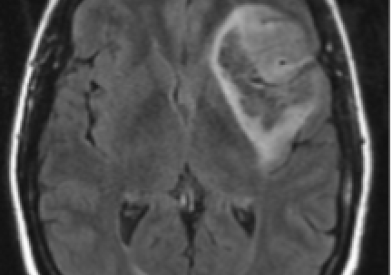
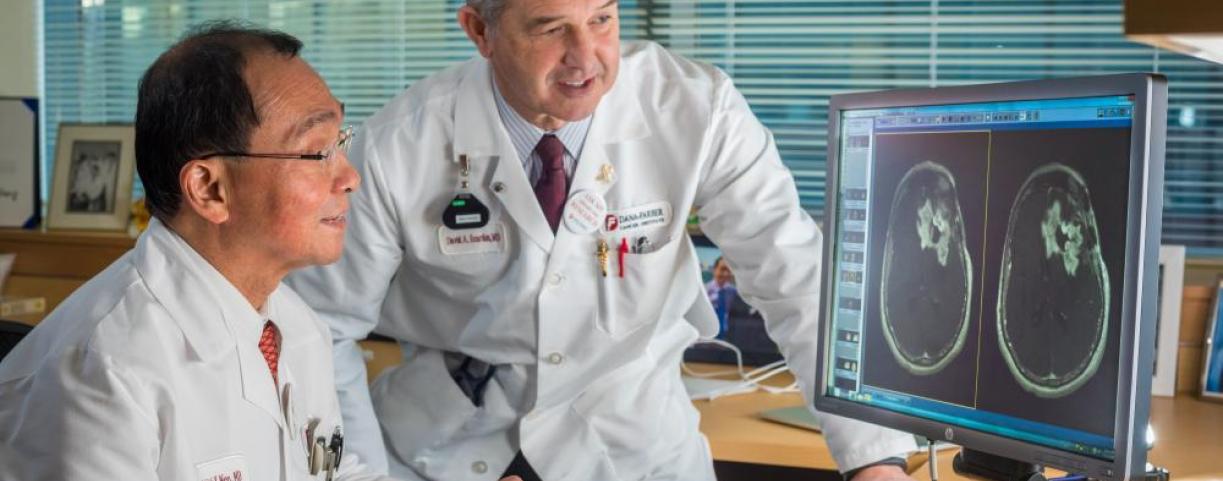
    To perform imaging of the brain and spinal cord, we use the most advanced magnetic resonance imaging (MRI), including functional MRI, perfusion and diffusion MRI, and magnetic resonance spectroscopy (MRS). We also use computerized tomography (CT) scans, positron emission tomography (PET) scans, and single-photon emission computed tomography (SPECT) scans.

    Neurosurgery

    Our neurosurgeons use advanced technologies to remove as much of the tumor as possible while preserving the surrounding brain tissue.

    These techniques include a revolutionary open-style MRI scanner that allows the neurosurgeon to see MRI images in real time during surgery. This intra-operative MRI can help the neurosurgeon remove the tumor more precisely, reducing the risk of damage to other parts of the brain.

    Other surgical technologies include the use of 3-D navigation systems that allow us to precisely locate deep-seated or small brain tumors; monitor speech, motor or visual functions during surgery; and observe delicate cranial nerve functions.

    Radiation therapy

    A highly experienced team of neuro-radiation oncologists, nurses, physicists, and therapists treat primary brain tumors, brain metastases, and spinal tumors. Our treatment equipment includes the most flexible and versatile systems available. With 3D conformal radiation, intensity modulated radiotherapy (IMRT), image guided radiation therapy (IGRT), rotational RapidArc™ Therapy, stereotactic radiosurgery (SRS) and stereotactic radiotherapy capabilities (SRT), the team is able to individualize treatment for each patient.

    Chemotherapy

    Chemotherapy may be used alone or in combination with radiation therapy. Treatments range from standard chemotherapy to use of anti-angiogenic agents (which target the blood vessels feeding the tumor), and new molecular agents.

    The Treatment Team

    Depending on your diagnosis, your team may include the following specialists:

    • Neuro-oncologists, who are experts in treating tumors of the brain and spinal cord
    • Neurosurgeons, who are highly skilled in the precise techniques of operating on the brain and spinal cord
    • Radiation oncologists, who specialize in using radiation that targets the tumor while sparing surrounding tissues
    • Social workers, who help you cope with the emotional impact of diagnosis and treatment
    • Nurses and nurse practitioners, who provide health assessment, patient and family education, symptom management, screening for clinical trial eligibility, and quality of life assessment.
    Neuro-Oncology

    Rameen Beroukhim, MD, PhD
    Eudocia Quant Lee, MD, MPH
    Lakshmi Nayak, MD
    Andrew Norden, MD, MPH
    David A. Reardon, MD
    Mikael Rinne MD, PhD
    Patrick Wen, MD
     

    Neuro-Oncology Nurses

    Abigail Ciampa, APRN
    Lisa Doherty, APRN, OCN
    Debra Conrad LaFrankie, RN, OCN
    Sandra French Ruland, RN 

    Neuro-Radiation Oncology

    Brian Alexander, MD, MPH
    Karen Marcus, MD
    Stephanie Weiss, MD
     

    Neuro-Radiation Nurses

    Maureen Farrell, RN
    Rachel Silverman, RN

    Neuro-Surgery

    Osama Al-Mefty, MD
    John Chi, MD, MPH
    Elizabeth Claus, MD, PhD
    Rose Du, MD, PhD
    Ian Dunn, MD
    Kai Frerichs, MD
    Alexandra Golby, MD
    William B. Gormley, MD
    Mark Johnson, MD, PhD
    Edward Laws, MD
    John Popp, MD
     

    Neuro-Surgery Nurses

    Donna Dello Iacono, MSN, RN
    Sherry Luliano, APRN

    Neuro-Psychology

    John Peteet, MD 

    Neuro-Oncology Social Workers

    Rachel Allende,LICSW (Spanish and Portuguese-speaking patients)
    Jane Bausch, LICSW
    Sara E. Nemitz, LICSW (inpatient)
    Nancy Goldsmith Tharler, LICSW


    Clinical Research

    Our basic science program explores why tumors develop in the brain (including the role of tumor stem cells), what drives tumor growth, and why some tumors are resistant to conventional treatments. This program brings together researchers with expertise in neuroscience, molecular genetics, cancer biology, and neurobiology.

    Our research program is a leader in clinical trials for brain tumors. Our goal is to bring laboratory discoveries directly to patients, allowing us to offer new treatment options.

    Search
    Clinical trials for patients with newly diagnosed brain tumors
    Clinical trials for recurrent glioblastoma
    Clinical trials for non-glioblastoma brain tumors
    Clinical trials for supportive care for brain tumor patients 

     Our researchers also work with the Adult Brain Tumor Consortium, the National Cancer Institute, the Ivy Foundation Early Phase Clinical Trials Consortium, and pharmaceutical companies to develop new approaches to the treatment of brain and spinal cord tumors.

    The Brain Tumor Laboratories

    The Brain Tumor Laboratories provide a unique environment for basic science researchers, medical students, research fellows, oncologists, pathologists, and neurosurgeons to take a multidisciplinary approach to understanding basic biology, and to develop new therapies to treat brain tumors. Current research focuses on the two most common types of tumors: gliomas and meningiomas.

    The Surgical Planning Lab

    Our team participates in the Surgical Planning Lab, which brings the power of computation and imaging to new areas of medicine. The lab collaborates with groups within Brigham and Women's Hospital, with researchers at Harvard Medical School, with local universities such as Harvard and MIT, and with gifted clinicians, researchers, and engineers throughout the world.

    Contact Information

    New patients

    If you have never been seen before at Dana-Farber/Brigham and Women's Cancer Center, please call 877-442-3324 or use our online form to request an appointment.

    For all other inquiries, please call 617-632-2166.

    Radiation Oncology: 617-732-6313, option 3
    Neurosurgery: 617-732-6810
    Referring physicians: 617-632-3703
    Fax: 617-632-4773 

     
  • Email
  • Print
  • Share
  • Text
Highlight Glossary Terms
  • Request an Appointment

    • For adults:
      877-442-3324 (877-442-DFCI)
    • For children:
      888-733-4662 (888-PEDI-ONC)
    • Or complete the online form.
  • Neuro-Oncology Research Advances

  • Clinical trial "recharges" brain tumor survivor

    • Kevin BradleyDespite surgery, Kevin Bradley’s glioblastoma returned. But a clinical trial drug has enabled him to remain stable since 2007.
  • Living with Brain Tumors:
    A Focus on Gliomas

  • Pursuing New
    Brain Tumor Drugs